
Is Cyprus Safe? Honest Answers for Travelers
Get personal recommendations for places and events in Cyprus — based on your mood, time and location.
Try the Hell & Heaven GO AI Assistant →Photo by Ben Iwara on Unsplash
Picture an evening walk through Nicosia’s old town: café tables spill into the street, and the pedestrian crossing at Ledra Street marks a line between two different systems of administration. That scene is illustrative, not a firsthand report. The short answer to is cyprus safe is yes for most tourists: the UK’s Foreign, Commonwealth & Development Office says crime against tourists is not common, but ordinary precautions still matter—and the risks worth planning for extend beyond street crime.
Below are the practical travel tips that matter for roads, beaches, nightlife, and Green Line crossings.
Is Cyprus Safe Right Now?
 Photo by Emin Huric on Unsplash
“Safe” is not a single verdict. It can mean low risk of theft, or it can mean manageable roads, safe swimming, reliable emergency help, and a trip unaffected by political developments. In Cyprus, those questions deserve separate answers.
“Don’t let one alarming headline decide the whole trip,” Angel says. “Check whether official advice names a specific risk affecting your plans.” Devil agrees with the method, if not the mood: “And don’t let an old blog post decide either. Regional tensions can change quickly; check your government’s current Cyprus travel advice and flight updates before departure and while you’re there.”
That’s the useful answer to “Is Cyprus safe to visit right now given regional tensions?” No evergreen promise can settle a time-sensitive question. Recheck advice close to departure, and again during the trip. Your government’s guidance reflects its own assessment and capacity to provide help; it is a planning tool, not a guarantee.
For families, the answer is also generally yes, with the same practical planning you would use elsewhere: secure valuables, watch children near roads and water, and pay attention to heat and local alerts. The most memorable safety distinction is simple: the FCDO says crime against tourists is not common, yet its advice also flags road deaths and nightlife risks. A low-crime destination is not a risk-free destination.
What Changes When You Cross the Green Line?
Cyprus is divided, and the Green Line runs through Nicosia as well as across the island. The north and the Republic of Cyprus have different political and legal arrangements; the crossing itself is not a reason to assume a visit will be dangerous, but it is a reason to know where you are and what rules apply.
“Use designated crossing points, and understand the arrangements before you cross,” Angel says. The Government of Canada’s Cyprus guidance explains that crossing rules and consular assistance can differ in the north. Devil adds, “And don’t wander into restricted buffer-zone areas or treat a military installation as a photo stop. Avoid demonstrations, too.” These are not places to improvise: follow posted restrictions and local instructions.
A rental car adds a practical complication. Insurance issued in the Republic may not cover travel in the north, so confirm your policy before crossing rather than discovering the gap at the roadside; the FCDO’s safety guidance addresses this warning. Check your travel insurance as well, particularly for activities and for any part of your itinerary in the north. Keep the policy details and emergency contacts accessible offline.
Everyday Risks Worth Planning For
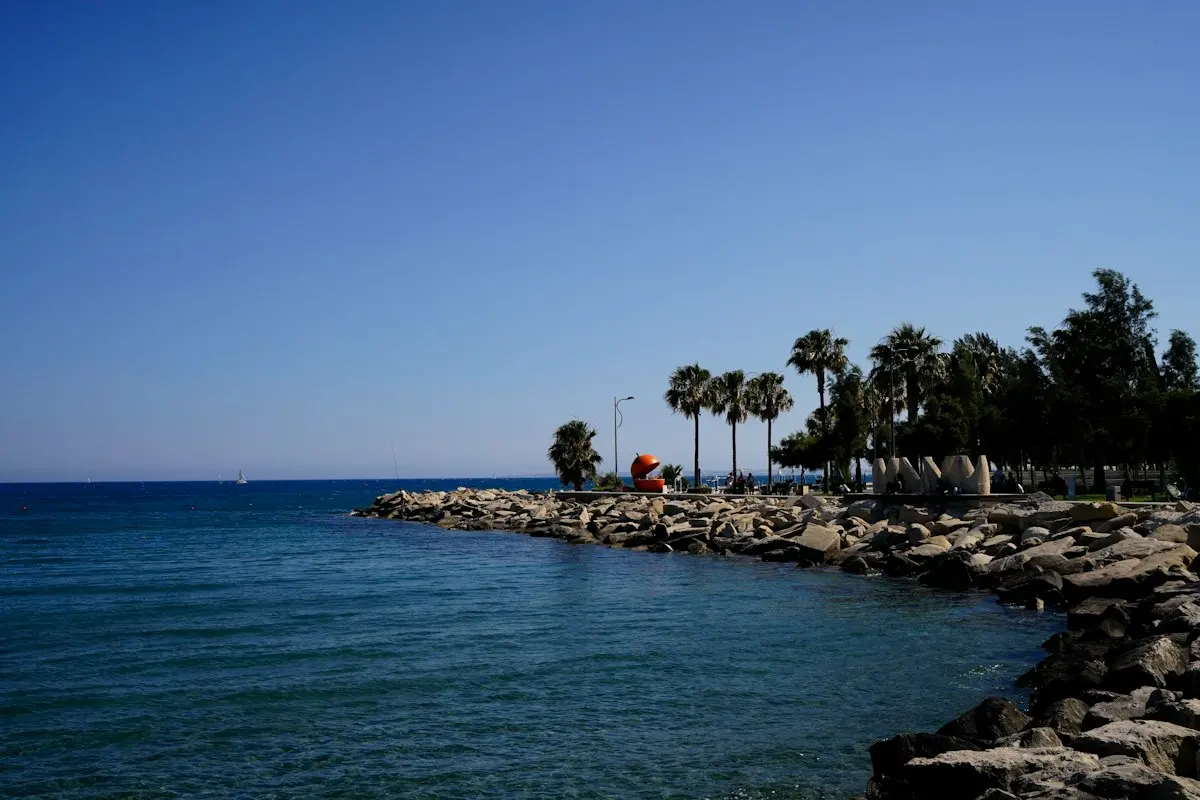 Photo by
The ordinary precautions are ordinary for a reason: they work. In crowded urban and tourist areas, including beaches, keep your phone and wallet secure and don’t leave valuables unattended while you swim. Pickpocketing and bag-snatching are risks to plan around, not a reason to spend the holiday clutching your beach towel like a family heirloom. Australia’s government travel advice for Cyprus covers theft in busy areas and at beaches.
“Put the valuables away before you reach the water,” Angel advises. “A swim is more peaceful when your attention isn’t on your bag.” Devil’s version is shorter: “If it’s unattended, someone else gets the easy opportunity.”
Driving and Road Safety
Driving deserves more respect than a short distance on a map suggests. Traffic drives on the left; driving standards and road conditions can be challenging, and rural or mountain roads may be narrow or winding. Check the rules before renting, wear a seat belt, don’t drive tired or after drinking, and take unfamiliar roads slowly. Cyprus’s official visitor safety guidance covers road conditions and driving on the left.
Swimming, Heat, and Wildfires
At the beach, heed warning signs, local flags, currents, and sea conditions. Don’t swim alone or impaired, and avoid unapproved beaches; calm-looking water is not a safety certificate. In summer, monitor local weather and wildfire alerts, follow emergency instructions, and keep your phone ready to receive updates. Australia’s government travel advice warns about Cyprus’s summer heat and wildfire risk.
Prices, Taxis, and Cash
Small money decisions matter, too. Check food and drink prices before ordering, check that a taxi meter is running, and use safer ATMs; Australia’s government gives this advice in its Cyprus guidance. These are simple ways to avoid unpleasant surprises, not reasons to distrust every restaurant or driver.
Is Cyprus Safe for Solo Travelers, Women, and After Dark?
Generally, yes. Solo and female travelers should use sensible night-time and nightlife precautions, especially in busy drinking areas. The FCDO warns about drink-spiking and sexual assault risks: keep sight of your drink, avoid accepting drinks from strangers, and try not to become separated from companions. If you are alone, arrange your return transport before the night gets hazy.
“Enjoy the music; keep your own route home,” Angel says. “A little forethought leaves more room for spontaneity.” Devil makes the practical case: “And if a situation feels wrong, leave. You don’t owe a stranger a polite second chance.”
In Limassol, busy tourist areas and nightlife call for the same care with valuables and transport after dark; that is not a verdict that the city is categorically unsafe. Choose a clear route back, use a taxi with its meter on, and keep your belongings close. “Limassol after dark is a city to navigate, not a city to fear,” Angel says. “Just don’t confuse a lively seafront with a guarantee that every street or ride is a good idea,” Devil replies.
For choosing somewhere to eat or spend the evening, Hell & Heaven GO offers two contrasting takes on places, useful when you want a local-feeling option rather than the first bright sign on the promenade. It’s a suggestion tool, not a substitute for paying attention to your surroundings.
Devil’s Skip List
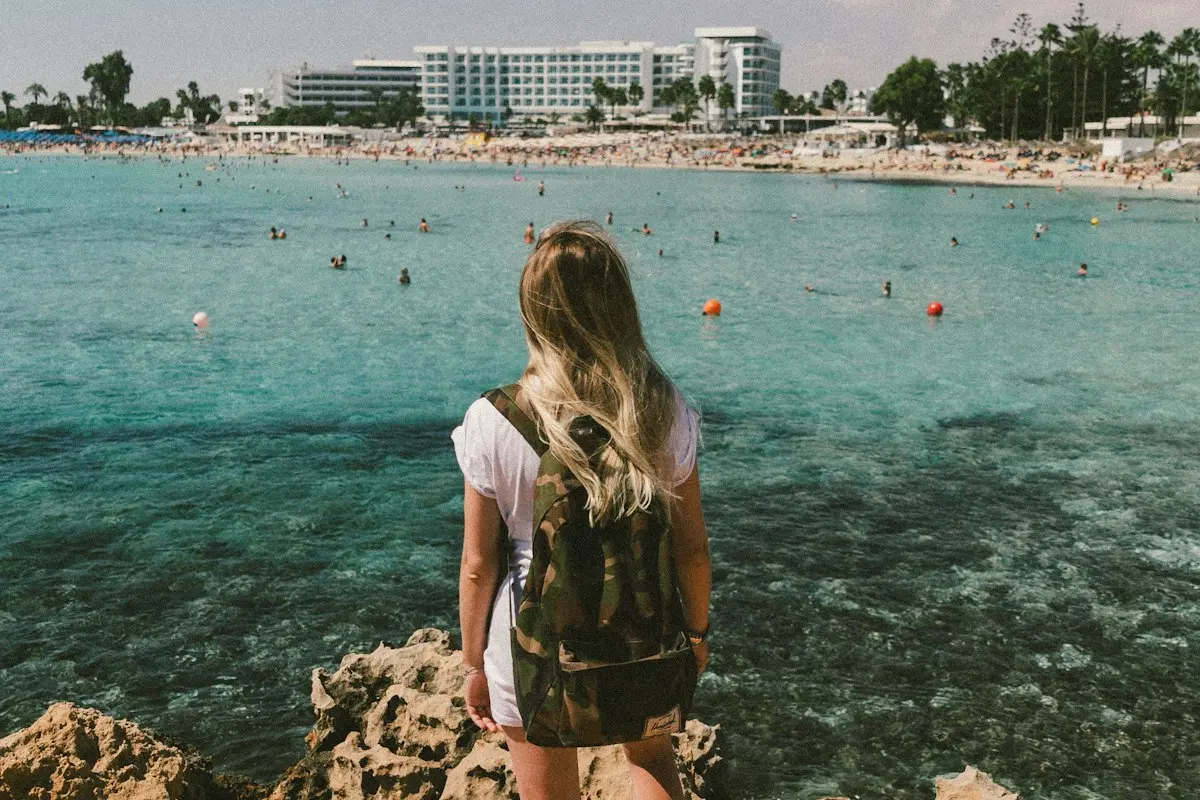 Photo by
- Assuming “low crime” means no precautions: the FCDO says crime against tourists is not common, but still warns about other risks.
- Leaving valuables on the sand: busy beaches are among the places where theft can occur.
- Crossing the Green Line without checking the details: crossing points, insurance, legal arrangements, and consular support matter.
- Treating a short drive or calm sea as automatically safe: roads can be challenging, and swimming conditions can change.
- Going out without a way back: keep sight of your drink and plan transport, especially if you’re traveling solo.
Verdict
“Cyprus is worth visiting with your eyes open, not your shoulders raised,” Angel says. Devil gives a rare nod: “Secure your bag, respect the roads and water, check current advice, and don’t wander into restricted areas. That covers more useful ground than panic does.”
For emergencies in Cyprus, call 112, as listed in the official visitor safety guidance. Check that your travel insurance covers your planned activities and every part of your route.
The island’s best safeguard is not a promise that nothing can happen; it’s knowing which risks are ordinary, which need a plan, and when to check again.
Ask Angel & Devil
Angel & Devil can help you weigh places to eat and spend an evening in Cyprus, with two contrasting perspectives. Keep official travel advice as your source for current safety updates.
Frequently Asked Questions
Is Cyprus Safe to Visit Right Now?
Cyprus is generally considered safe for tourists, but regional developments can affect travel. Check your government’s current advice and your airline’s updates before departure.
Is Cyprus Safe for Solo Female Travelers?
Generally, yes, with sensible precautions around nightlife and transport. Keep your drink in sight, arrange a reliable way home, and leave situations that feel uncomfortable.
Is Northern Cyprus Safe for Tourists?
Crossing north is not inherently a reason to expect danger, but legal arrangements and consular support differ. Use designated crossings and confirm entry requirements and insurance coverage before going.
Is Cyprus Safe for Families?
Generally, yes, with attention to roads, swimming conditions, and summer heat. Supervise children near water and traffic, and follow local weather and emergency alerts.
What Is the Emergency Number in Cyprus?
Call 112 for emergencies, as listed in Cyprus’s official visitor guidance. Keep your insurer’s emergency assistance number accessible offline as well.
Get personal recommendations for places and events in Cyprus — based on your mood, time and location.
Try the Hell & Heaven GO AI Assistant →