
Most travel advice comes from one person’s trip or a copied “top 10” list. My work starts from the other end: hundreds of thousands of real visitor reviews, sorted by what actually shapes a visit — noise, queues, service, value, accessibility, and who a place is really for. In Kraków alone, our Hell & Heaven Atlas maps 5,601 places using 536,000 reviews across 82 dimensions of experience.
I combine that data with what I see on the ground in the cities I know well, and with official sources for everything that changes — prices, transport, rules and safety. That’s what this blog is: honest, specific guides, with an Angel who finds the good stuff and a Devil who tells you what to skip.
📍 Florence, 2018 — the moment it started
We walked out of Santa Maria del Fiore into the afternoon sun — Brunelleschi’s dome, the baptistery doors, eight hundred years of ambition in stone, all behind us. My youngest announced what every parent in Florence eventually hears: “I’m hungry.”
We had forty minutes. I opened Google Maps and searched for restaurants nearby. The results came back instantly: 4.7 stars, 2,400 reviews. 4.6 stars, 1,800 reviews. All of them exactly what surrounds every cathedral on the planet — elegant lighting, tourist prices, menus translated into six languages, food designed for photographs.
My kids needed pasta. Fast. Somewhere with paper napkins where nobody would mind if someone knocked over a glass.
Google wasn’t wrong. Those restaurants were genuinely popular. But popularity is an average across every kind of visitor — the honeymooning couple, the solo food blogger, the school group, the business traveler. An average that works for everyone works perfectly for no one.
The question I needed answered wasn’t “what’s the best restaurant near the Duomo?” It was “what’s right for us — two adults, two tired children, forty minutes, no white tablecloths.” Different people need fundamentally different answers. And the tools we had were built to rank, not to match.
That gap didn’t leave me alone. I spent years building data systems that could read what travelers actually say about places — not just the star rating, but the noise level, the pace, the crowd, who it’s really good for and who it would disappoint. Hell & Heaven GO started as that question on a hot afternoon outside a cathedral in Florence.
What I’ve built for travelers
AI city guide: Angel & Devil takes on places and events, Top 5 picks, “Good for / Not for” and accessibility insights. Built from real reviews, not ads.
Multi-dimensional experience map built from traveler reviews. Kraków: 5,601 places, 536,000 reviews, 82 dimensions. More cities in progress.
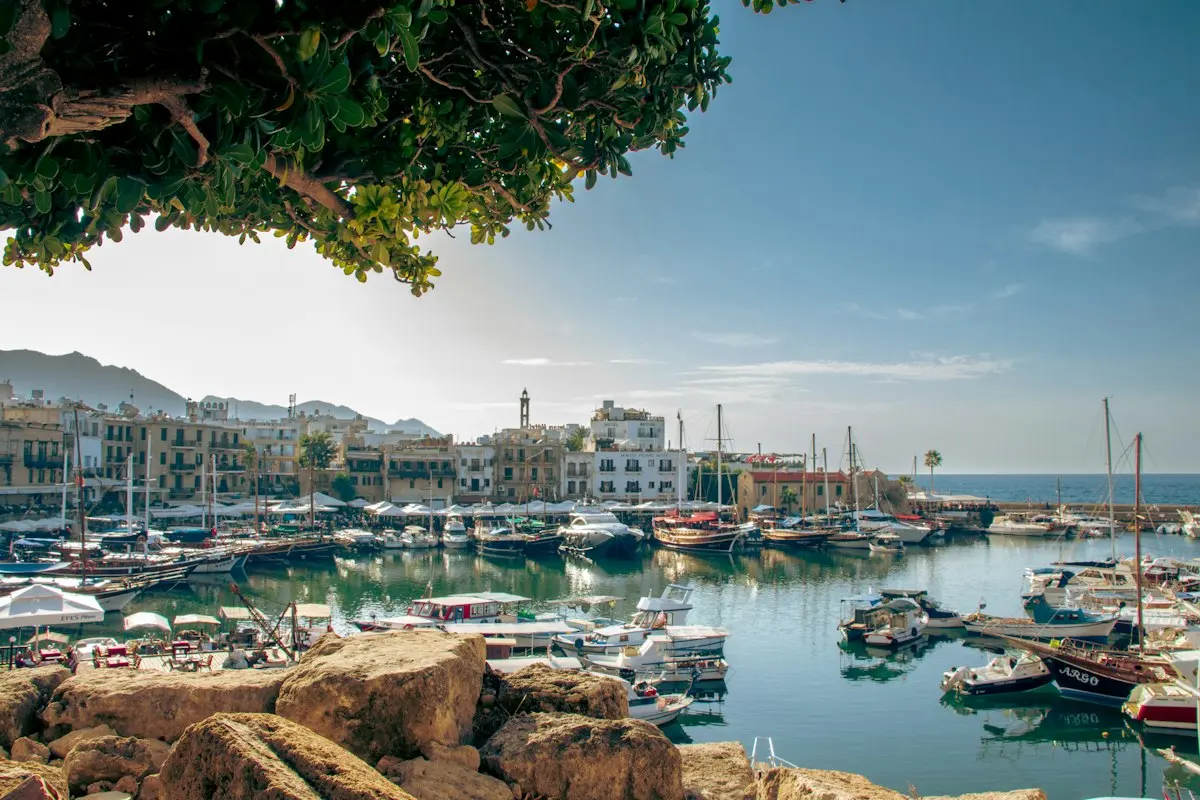
City and country guides built on review data and first-hand experience — started in Europe, now covering Cyprus and beyond.
Places I know first-hand
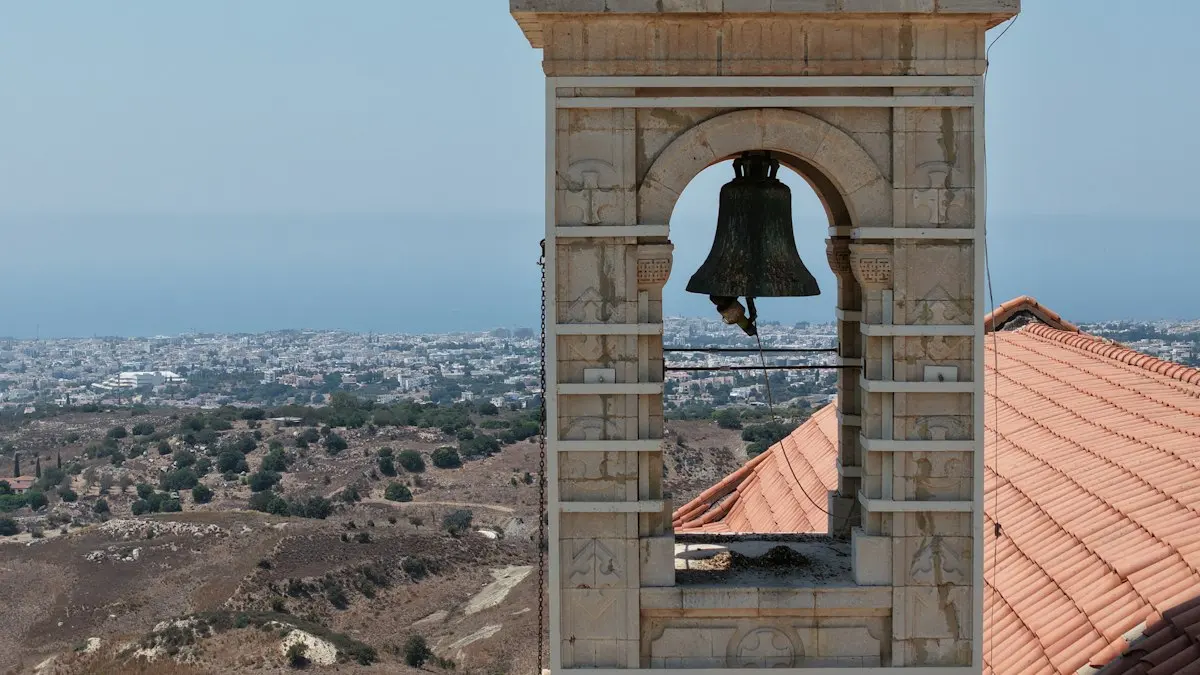
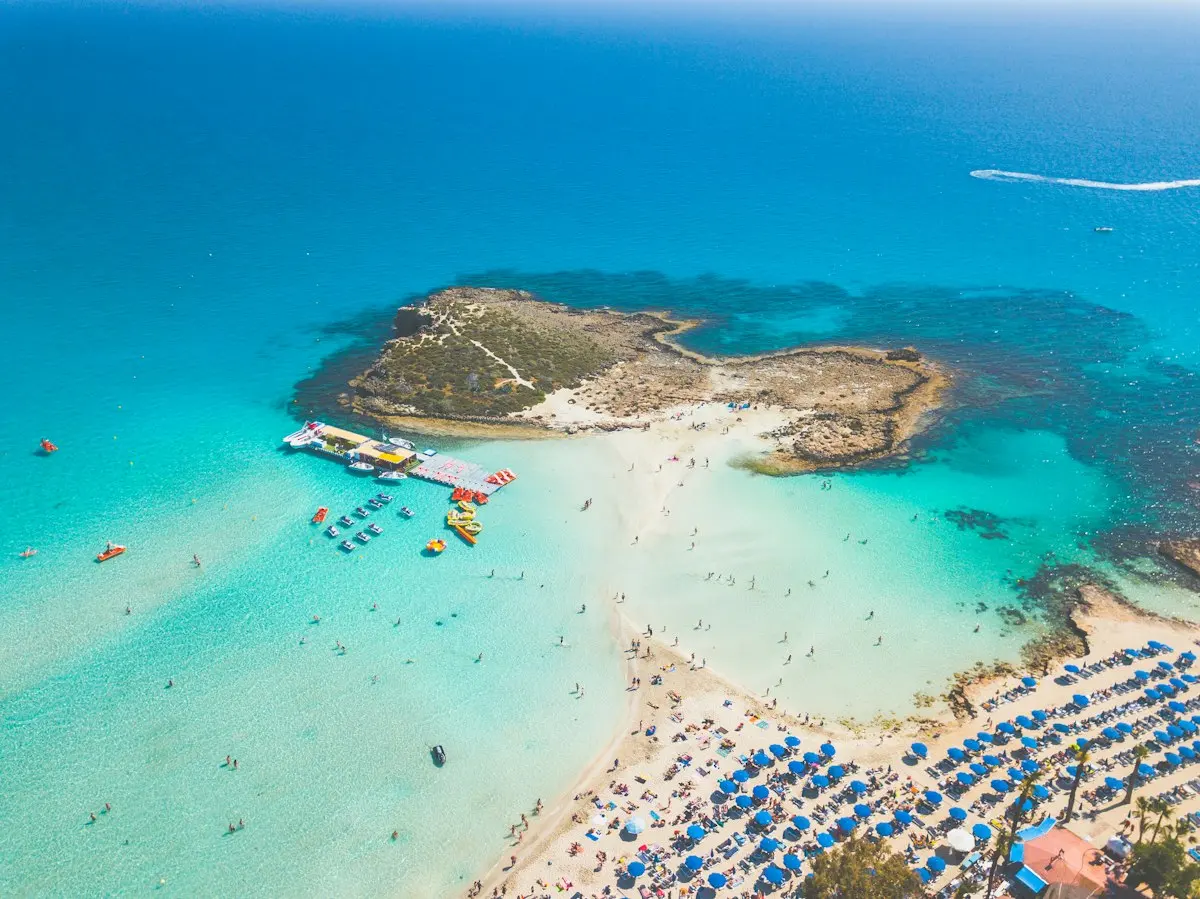
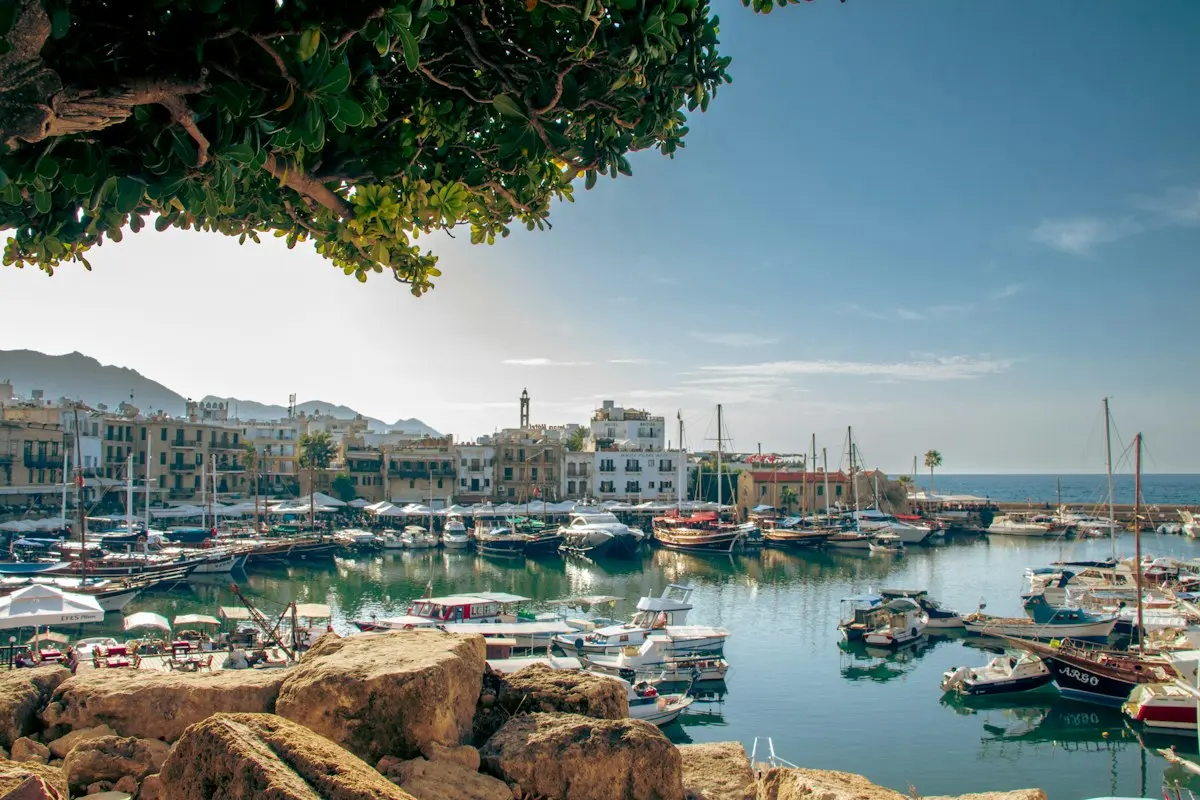
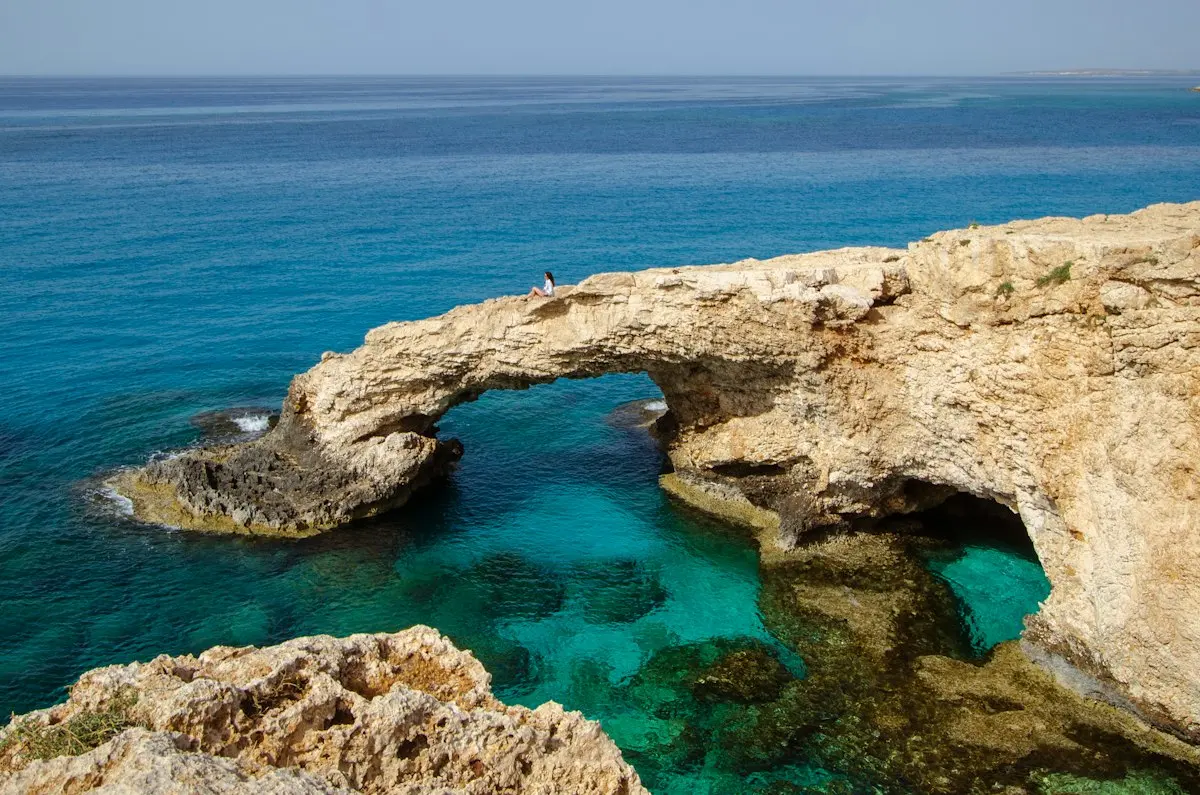
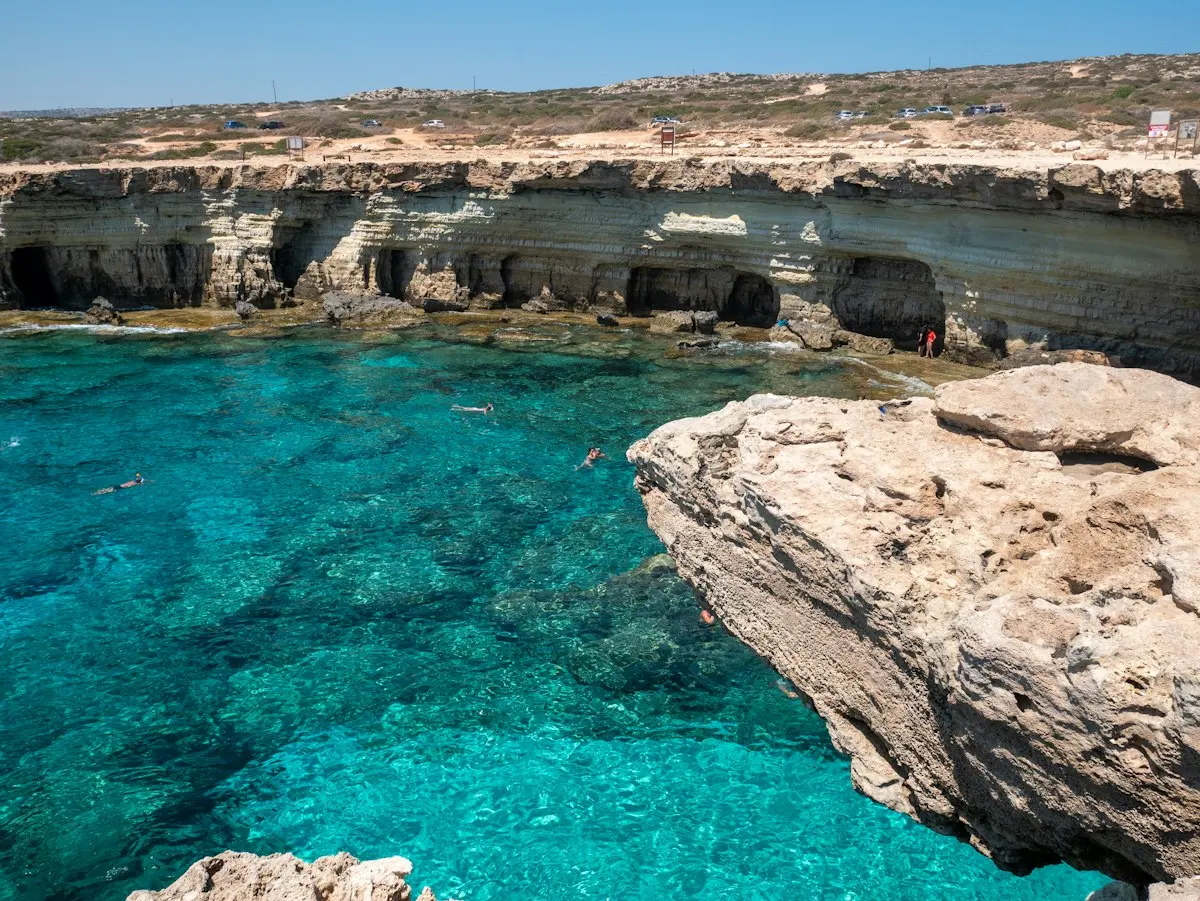
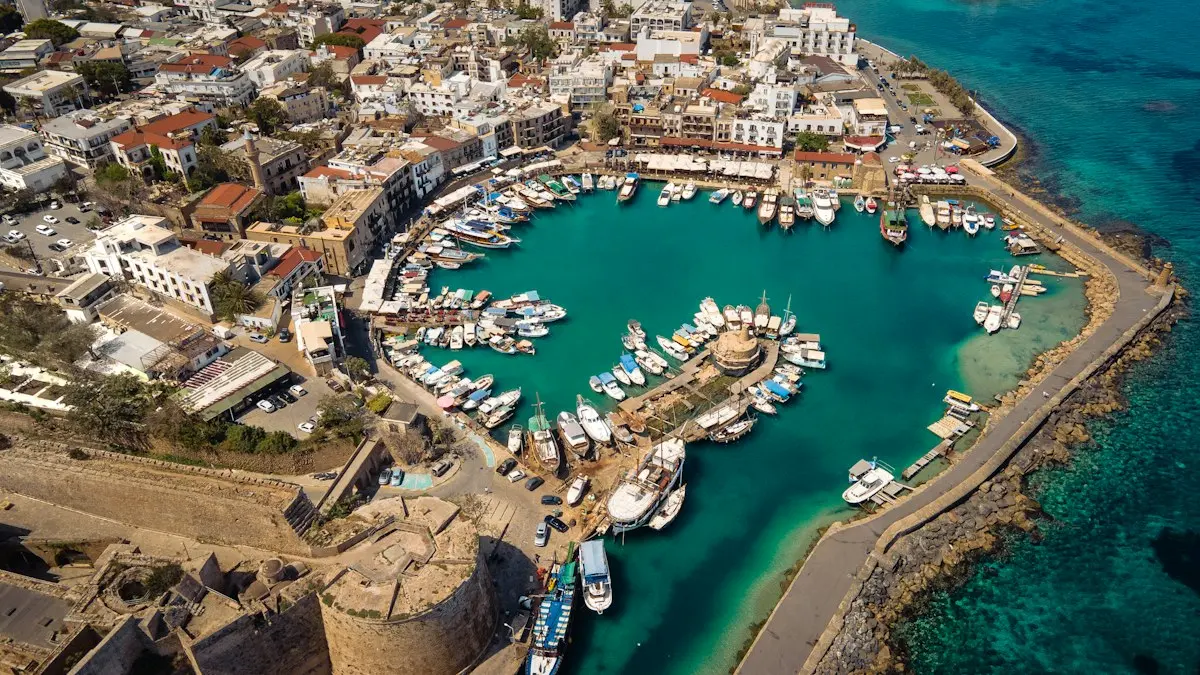
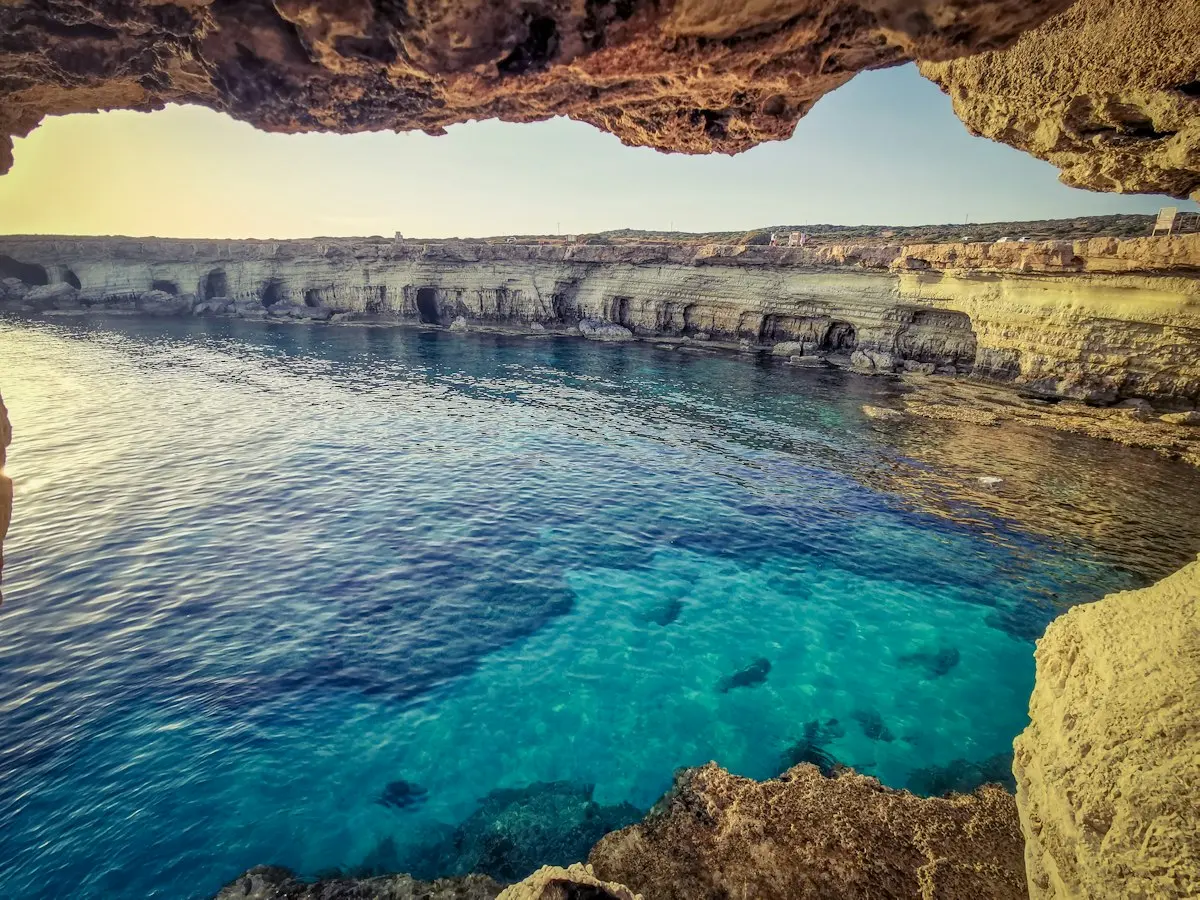
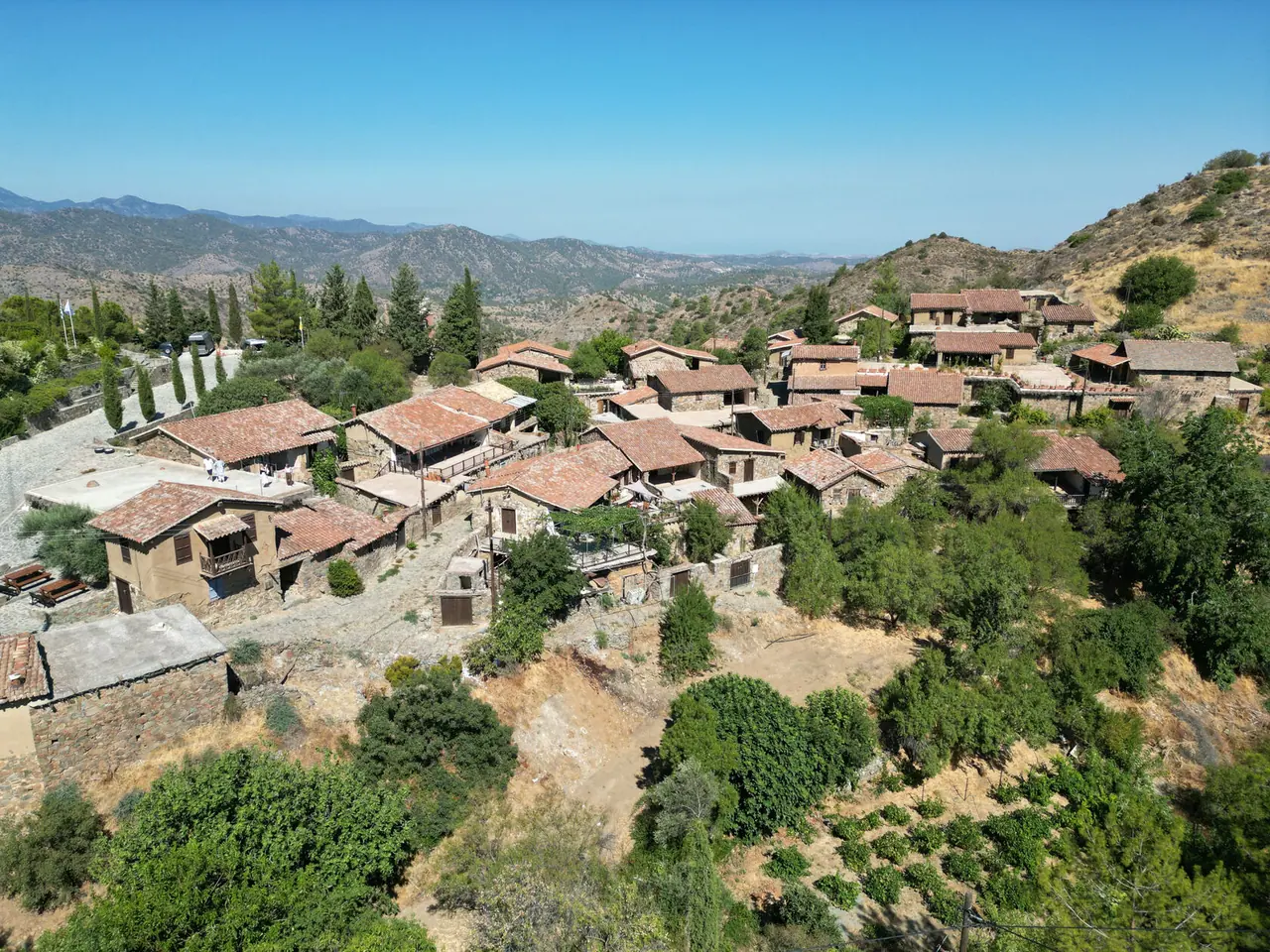
- Cyprus — my home since 2022. The beaches, villages, airport transfers and everyday prices in my Cyprus guides are things I deal with myself, not just research.
- Twelve European countries. Since 2022: Austria, Germany, Denmark, Poland, Italy, Switzerland, France, Portugal, North Macedonia, Greece and Lithuania — the trips behind many of the city guides on this blog.
- Kraków. Deep coverage through Hell & Heaven Atlas: 5,601 places analysed across 82 dimensions of visitor experience.
How these guides are made
- Real traveler signal
Recommendations draw on patterns across thousands of reviews — not one opinion or a press trip. - Official sources for facts
Prices, hours, transport, entry rules and safety are checked against city, airport and government sources, linked in every article. - Dates on everything that changes
Prices and schedules are marked with the date checked; articles are updated when facts change. - Honest trade-offs
Every guide ends with a Devil’s Skip List of myths, traps and overrated choices. - Transparent process
Articles are researched and drafted with AI tools, then checked and edited before publishing.
Background
- PhD; data architect and AI architect. Co-founder and CTO / Tech Lead of Hell & Heaven Ecosystem.