
Best Time to Visit Cyprus, Month by Month
Get personal recommendations for places and events in Cyprus — based on your mood, time and location.
Try the Hell & Heaven GO AI Assistant →Photo by Katerina Bot on Unsplash
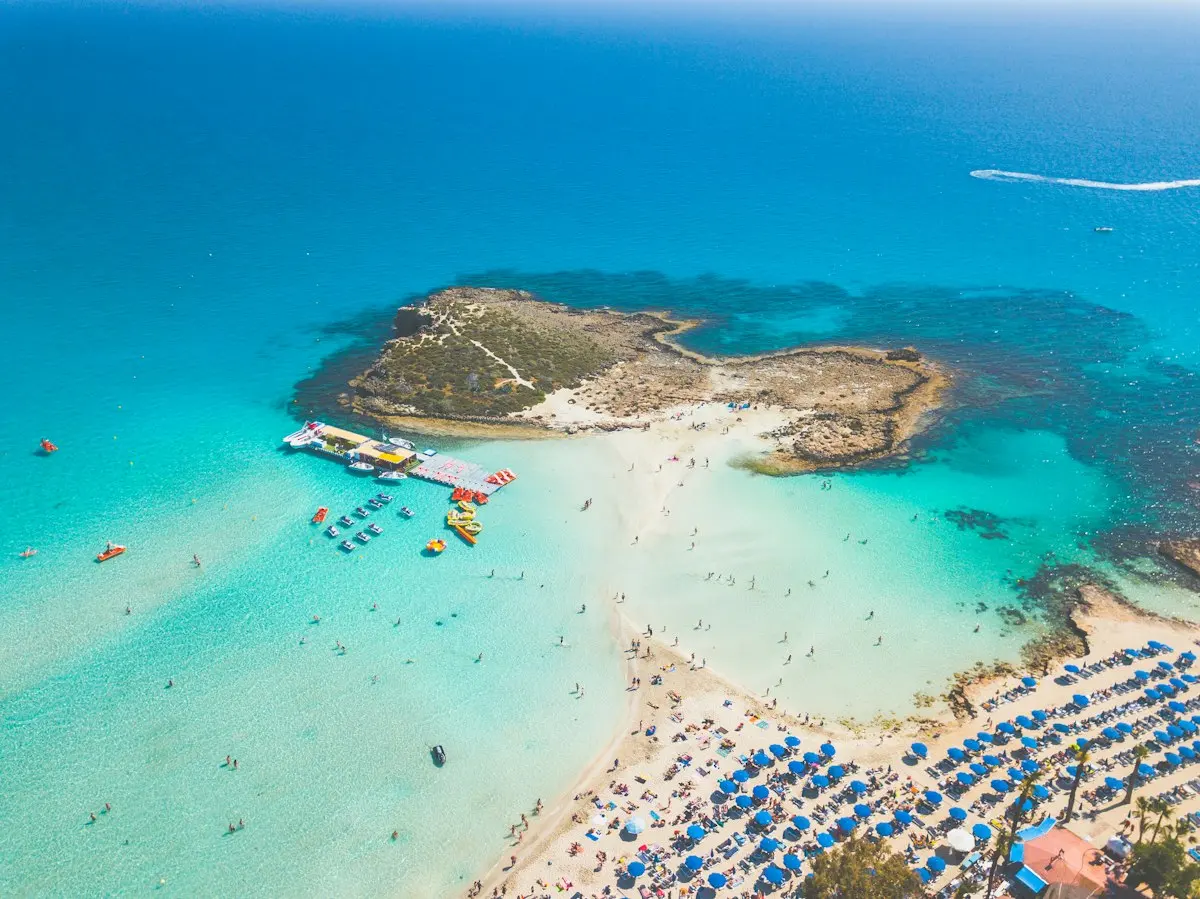
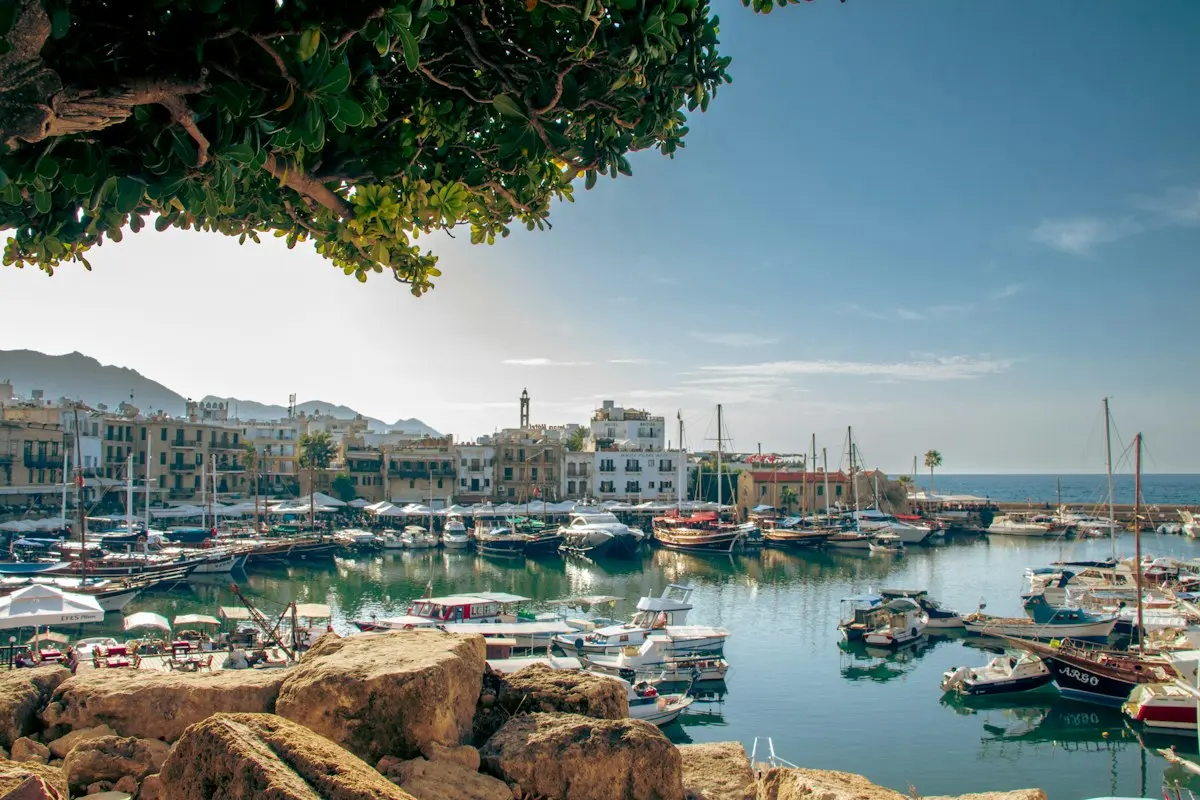
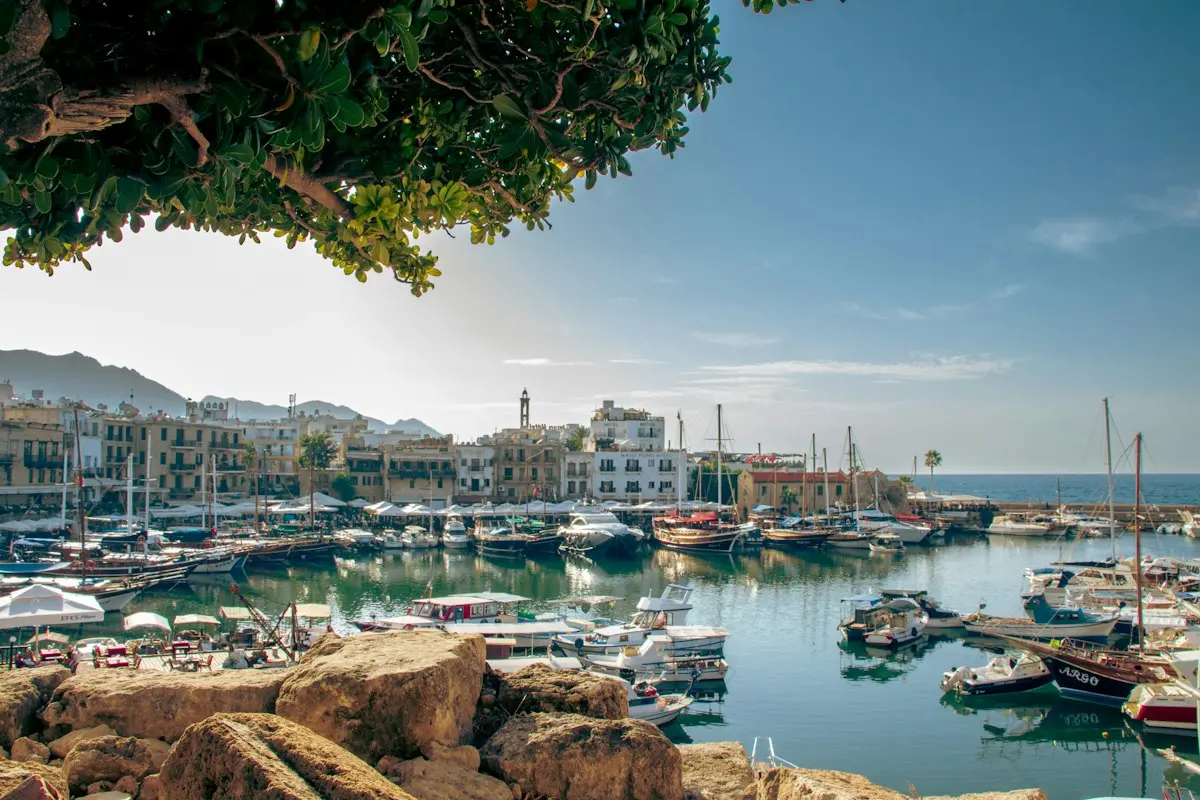
The best time to visit Cyprus depends on whether you want warm, swimmable water or cool enough weather to explore ancient ruins without impersonating a roasted olive. On a May morning, the hills above Paphos are green and the coast is just waking up; late spring and early autumn are the strongest all-round bets, while winter has its own quieter pleasures. Your dates also shape which Cyprus base to choose, especially outside summer.
Cyprus Weather by Month
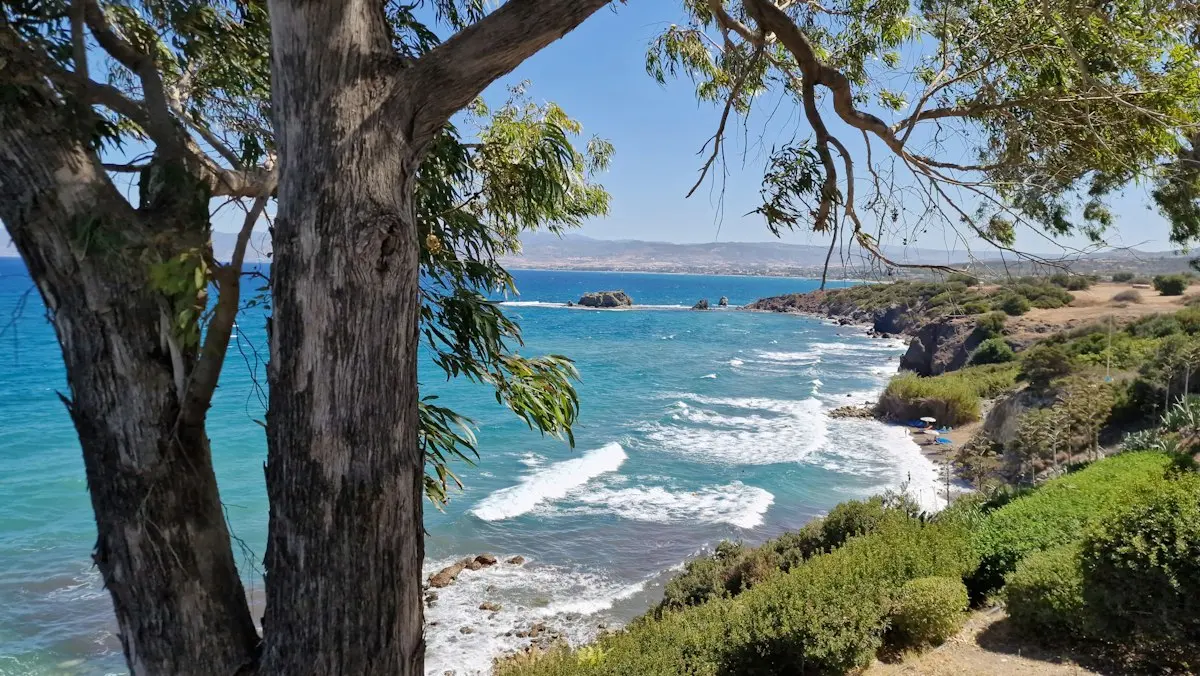 Photo by Anastasius on Unsplash
The averages tell you the season; the day you arrive writes its own version. Rain, wind and heat can turn a month’s promise around, so use the guide as a compass, not a forecast.
January: Mild, changeable coastal days, with winter rain possible and a sea that averages 16–17°C from January to March—cold for most swimmers. It’s quiet enough for archaeological sites and coastal walks. Troodos may have snow, and skiing is possible when conditions allow, but winter does not guarantee either.
February: Still winter: expect occasional rain, a chilly sea and quieter resorts. It can suit a city-and-countryside trip, with almond blossom often associated with the season. Limassol Carnival falls around the pre-Lenten period; its dates shift each year.
March: The landscape starts to green, and spring flowers make Akamas and the Troodos trails appealing for walking. Weather remains changeable, evenings can feel cool and the sea is chilly. Migrating birds also pass through Cyprus in spring.
April: Comfortable for hiking, cycling and archaeological sightseeing, with wildflowers in the countryside and cool evenings. Swimming is possible for the hardy, but the water is cold for most people. Orthodox Easter falls in April or May; check dates and opening hours before building a day around a site.
May: One of my favorite compromises, says Angel: warm days, more reliable beach weather and less summer heat than July or August. The sea is warming, though a long swim may still feel brisk. It’s a good month to combine coast and sightseeing before the peak summer rush.
June: The beach season is properly underway, and the sea is more comfortable. Long, sunny days invite swimming, but heat is building; plan exposed walks for morning or evening. Kataklysmos, the Festival of the Flood, falls on Orthodox Pentecost and is celebrated along the coast, especially in Larnaca.
July: Hot, dry and busy, with excellent conditions for water activities and punishing ones for a long midday wander among ruins. Go early, take a proper break through the hottest part of the day, and return outdoors later.
August: Usually the hottest and busiest beach month; official guidance puts open-sea water at about 27°C. Book popular resorts ahead and save exposed sightseeing for early morning. In Nicosia and the central plain, midday heat is a serious itinerary problem, not just a complaint.
September: A strong choice for beach time with less intense heat: the sea keeps its summer warmth as temperatures begin to ease. Harvest events and village wine festivals add a reason to leave the coast. Popular places can still be busy; “shoulder season” is not a magic spell for empty hotels.
October: Often warm enough for swimming, with more comfortable conditions for walking, villages and cultural visits. Sea temperatures remain above 22°C through November according to Visit Cyprus’s climate guidance. Limassol’s Wine Festival is usually a late-September or early-October event; check the current events calendar for dates.
November: Quieter and cooler, with more chance of rain. A warm coastal day may still invite a swim, but don’t book a beach holiday on that hope alone. Walking, city breaks and birdwatching are better bets; Akrotiri Salt Lake is a winter wetland stop, though bird sightings vary with conditions.
December: Mild coastal days, shorter daylight and a greater chance of rain. Troodos may see snow, but the coast is not a winter beach guarantee. Some seasonal resort businesses and services reduce hours or close, so check accommodation, attractions and transport before booking; official holiday and working-hours guidance also notes that many shops and public services close on public holidays.
Angel favors April for flowers and trails; Devil points out the sea is still cold. “May gives you a better shot at both countryside and beach,” he says, “but don’t confuse sunny air with warm water.”
What Is the Best Time to Visit Cyprus for Your Trip?
For warm weather and fewer peak-summer crowds, I’d recommend May or September: both are strong beach-and-sightseeing combinations, though neither promises an empty island. September usually has warmer water; May has spring color and days that are easier for walking. October is another excellent compromise, but it can remain popular.
For hiking and wildflowers, look to spring, especially around Akamas and the Troodos Mountains; autumn offers more comfortable walking than midsummer, too. For a beach-first trip, June through November is the warmer-water window, with July and August the hottest and busiest. April and November are more appealing for sightseeing and walking than for anyone demanding a guaranteed swim.
“July and August are beach months,” Devil says. “They are not an invitation to stroll across an exposed archaeological site at noon. Plan around the heat, or the heat will plan your day for you.” The official climate guide shows why: average maximums in July and August reach about 38°C on the central plain, compared with roughly 27°C in Troodos.
When choosing between a slow village lunch and one more beach stop, Hell & Heaven GO gives you Angel and Devil’s contrasting take on places, helping you choose what fits the day you actually want. The best month is only half the decision; where you spend it matters just as much.
One Island, Several Climates
 Photo by Milan Seitler on Unsplash
Cyprus is small enough to tempt you into packing for one forecast. Resist. The coastal breeze, inland plain and high mountains can feel like three different trips.
In July and August, Nicosia and the central plain can be far hotter than the coast, while Troodos is cooler and may have winter snow. In January, the contrast is just as striking: indicative daily temperatures range from about 10°C on the plain to 3°C in the higher mountains, according to Visit Cyprus. Pack for your elevation and plans, not simply the month.
Troodos may offer snow and skiing when conditions allow, but don’t plan a ski day on the assumption that the calendar guarantees snow. Check current local conditions before making the mountain drive. By contrast, a winter visit to the coast can be pleasant for walking and culture, but the sea averages only 16–17°C in January through March. “Winter sun” is not the same thing as winter swimming, says Devil.
Festivals, Wildlife and the Fine Print
The island’s calendar is a cultural one as well as a climatic one. Limassol Carnival follows the pre-Lenten season; Orthodox Easter and Pentecost move each year. Kataklysmos celebrations can run from Pentecost Saturday through Whit Monday, with particularly prominent festivities in Larnaca. Check the official Visit Cyprus events calendar for the travel year before making a festival the centerpiece of your plans.
September and early October bring grape-harvest activity and village wine festivals; dates vary by community and year. Winter is also a chance to visit Akrotiri Salt Lake, where migrating birds use the wetland from November to March. Flamingos are a possibility, not a scheduled performance. If you seek out sea turtles during the nesting season, follow local conservation guidance and keep away from nesting beaches; the marine turtle conservation project explains why disturbance matters.
Devil’s Skip List
 Photo by Indre Kauneckyte on Unsplash
“Skip the promise of a perfect month,” Devil says. “Choose the conditions you can live with; the island doesn’t take requests.”
- Assuming April means warm-water swimming: Spring sunshine doesn’t erase a chilly sea.
- Booking July or August for leisurely sightseeing: Midday heat makes exposed sites uncomfortable, especially inland.
- Treating October as automatically quiet: It’s popular for good reason; shoulder season does not mean empty resorts.
- Planning a winter ski trip by date alone: Troodos snow and skiing depend on conditions.
- Assuming every coastal business runs year-round: Verify accommodation, attractions and transport before committing.
Verdict
Angel chooses May for flowers, long walks and a beach beginning to warm. Devil chooses September for sea temperatures that still feel like summer and heat that has started to loosen its grip. They agree on the useful answer: choose late spring or early autumn for the best all-round balance; choose April or November for walking and sightseeing; choose July or August only if the beach is the point.
The island changes with the month—and the elevation. Let it.
Ask Angel & Devil
Beach days or mountain walks? Ask Angel & Devil to help choose places that fit your Cyprus travel month.
Frequently Asked Questions
Is Cyprus in May warm enough for swimming?
May brings warmer beach weather, but the sea can still feel brisk. September generally offers warmer water.
Is Cyprus in September still hot?
Yes, September remains warm, though summer’s peak heat begins to ease. Plan exposed sightseeing early, especially inland.
Can you swim in Cyprus in October?
Often, yes: the sea retains summer warmth. Rain and wind can still interrupt beach plans.
Is Cyprus worth visiting in winter?
Yes, for quieter sightseeing, coastal walks and city breaks. Expect rain, chilly seawater and reduced services in some resorts.
Get personal recommendations for places and events in Cyprus — based on your mood, time and location.
Try the Hell & Heaven GO AI Assistant →