

First Time in Cyprus: A Complete Beginner's Guide
Get personal recommendations for places and events in Cyprus — based on your mood, time and location.
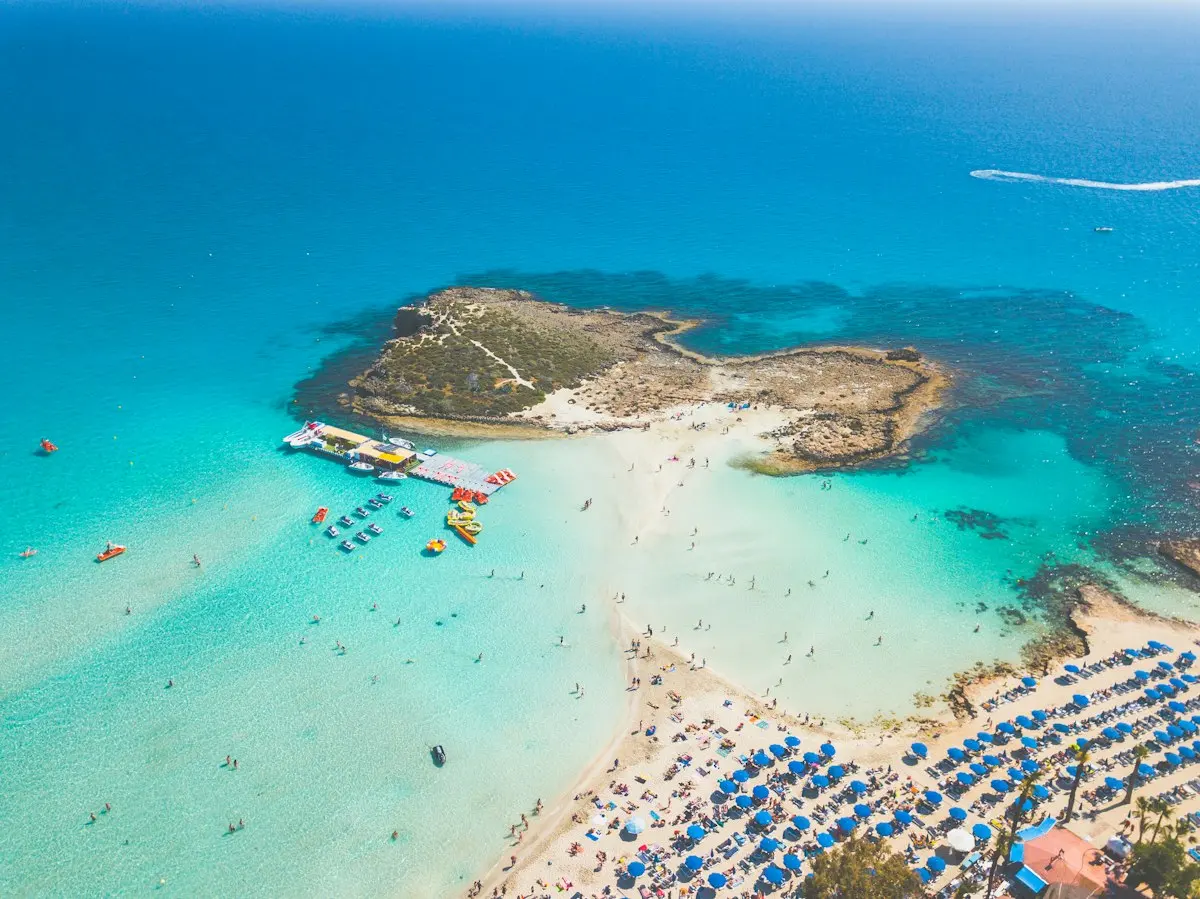
Try the Hell & Heaven GO AI Assistant →Photo by Athina Vrikki on Unsplash
You step outside the airport into warm air, spot cars keeping left, and realise your beach holiday needs a little planning. If it’s your first time in Cyprus, this guide covers where to stay, when to go, getting around, and what crossing the island’s dividing line involves. Start with one useful rule: choose a base that fits your holiday, rather than trying to see the whole island from one hotel.
Planning Your First Time in Cyprus
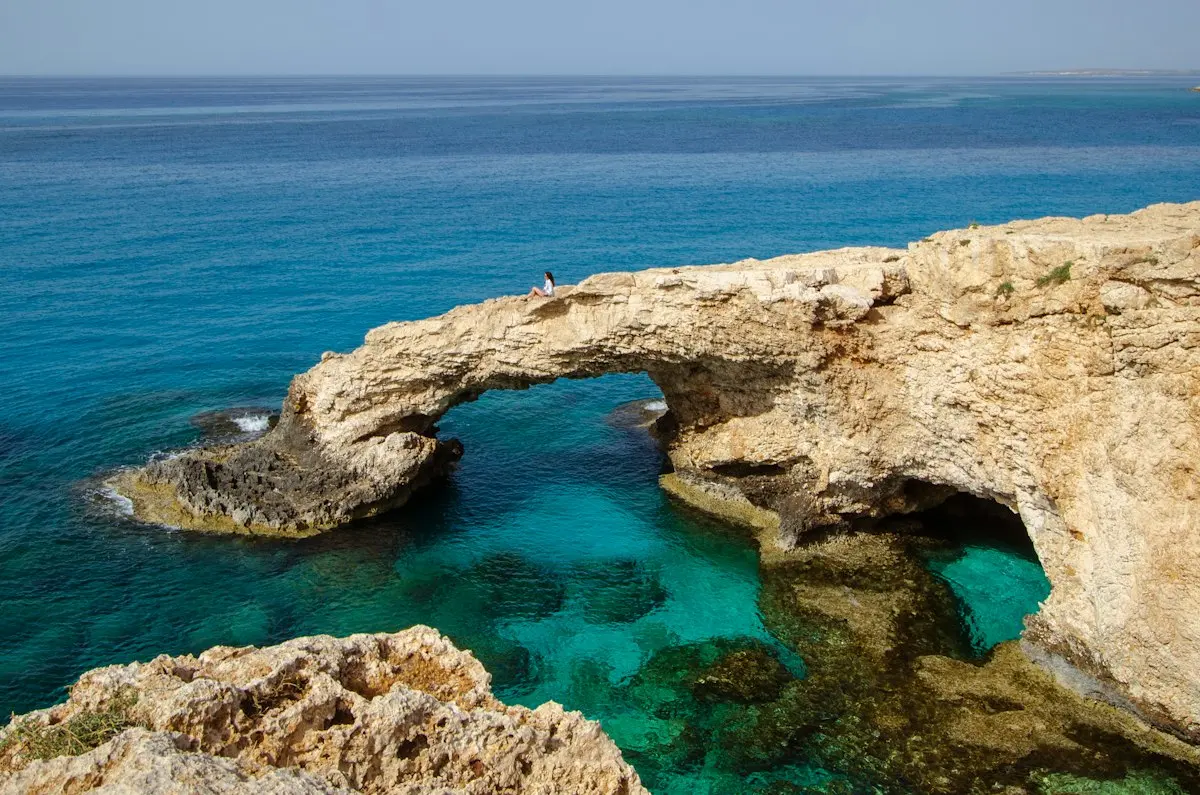
 Photo by Hert Niks on Unsplash
Cyprus rewards both the beach lounger and the person who cannot pass a ruined doorway without investigating. Five to seven days gives you time for a coastal base, an archaeological site, and a day inland. Our five-day Cyprus driving itinerary links Paphos, Troodos and Limassol, with Nicosia if your flights allow. With fewer days, keep your radius small. Our Paphos-based three-day itinerary shows how to combine ancient sites with a coastal or mountain outing. For a multi-base trip, follow our seven-day island itinerary.
Before booking, decide:
- Your priority: sandy beaches, ancient sites, city life, or mountain villages.
- Your transport: a rental car opens up rural areas; a walkable base makes a car-free trip easier.
- Your arrival point: Larnaca and Paphos are the main airports serving the Republic of Cyprus.
- Your entry requirements: these depend on your passport, route, and which part of the island you plan to visit.
Hell & Heaven GO can help you turn those choices into a trip shaped around your interests rather than a checklist.
Angel: “Choose the holiday you actually want.”
Devil: “And leave room for the lunch that becomes the afternoon.”
When Is the Best Time to Visit Cyprus?
May–June and September–October are strong starting points for a first visit: generally warm weather, beach time, and sightseeing without the fiercest midsummer heat. Conditions vary, and early-season sea temperatures can feel cool.
July and August suit travellers who want dependable summer heat, but exposed ruins and inland walks are best tackled early. Book popular coastal accommodation ahead.
Spring is especially appealing for greenery and walking. Autumn often offers warmer seawater than spring, though rain becomes more likely as the season progresses.
Winter brings quieter sightseeing and milder coastal conditions than much of northern Europe—not guaranteed beach weather. Some resort businesses close seasonally, and the Troodos Mountains can have snow.
Where Should You Stay in Cyprus?
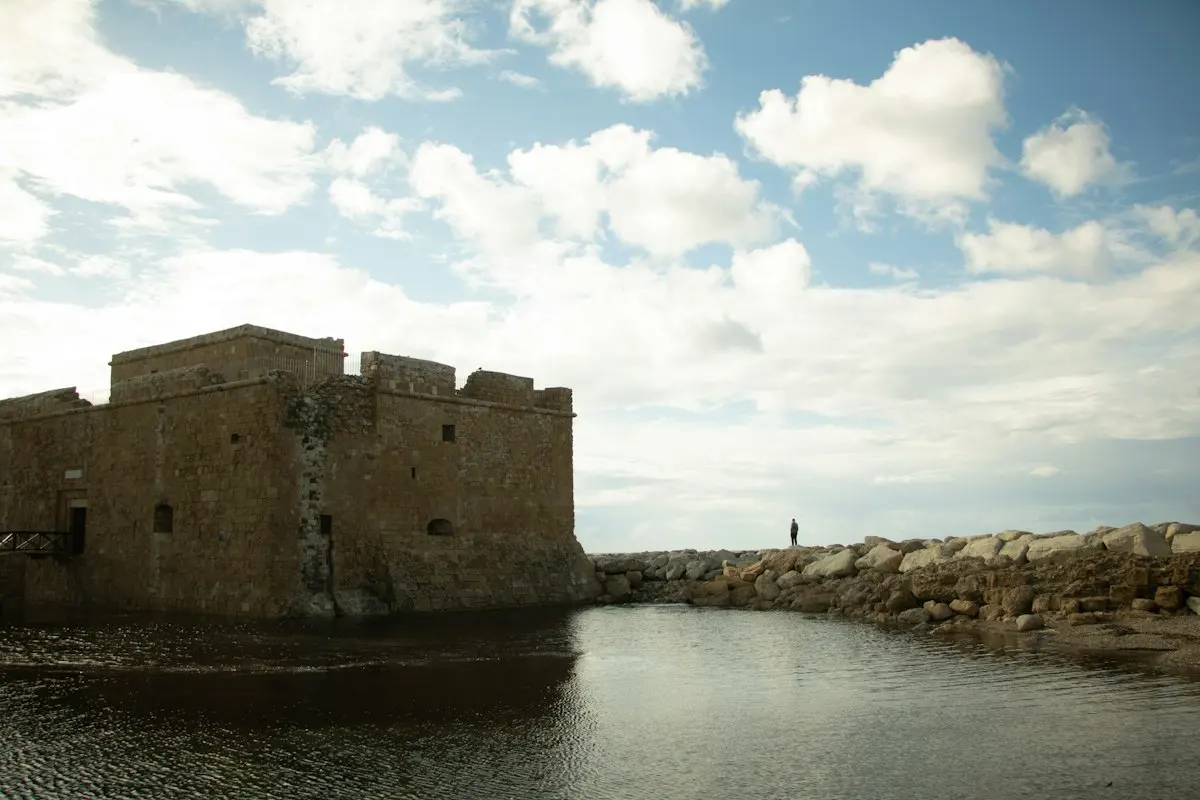 Photo by Plastic Lines on Unsplash
Choose your base before building your itinerary. A bargain hotel stops looking like a bargain when every outing requires a long transfer.
| Base | Best suited to | Main consideration |
|---|---|---|
| Paphos | Archaeology, harbour strolls, western Cyprus | Check the location: some resort areas are far from the harbour |
| Larnaca | A straightforward, potentially car-free coastal break | Good for everyday convenience rather than remote scenery |
| Limassol | Restaurants, city energy, southern-coast exploring | Spread out; neighbourhood choice matters |
| Protaras | Sandy beaches and a beach-first holiday | Quieter outside the main season |
| Ayia Napa | Beaches and nightlife | The atmosphere varies considerably by area and season |
| Nicosia | Museums, food, and understanding the divided capital | Inland, with no beach |
For a balanced week, Paphos works well for archaeology and western landscapes. Larnaca offers an easy coastal introduction, while Protaras is a natural choice if swimming is the main event.
Avoid changing hotels every night. For seven days, one base—or two with clearly different purposes—is usually enough.
Do You Need a Car in Cyprus?
Not for every trip. You can manage a city-and-beach stay without one if you choose accommodation near restaurants, the waterfront, and useful bus stops. Intercity buses connect major cities in the Republic, but rural services and evening options can be limited.
A rental car makes mountain villages, scattered archaeological sites, and less accessible beaches easier to reach.
Driving in Cyprus is on the left. Check licence requirements, rental age limits, excess charges, parking arrangements, and restrictions on unpaved roads before booking. Do not assume every scenic track is suitable for a standard hire car.
Can You Take a Rental Car Across the Green Line?
Do not assume your rental agreement or insurance allows it. The UK government’s Cyprus travel advice explains the insurance considerations around crossing between the Republic-controlled areas and the north.
Ask the rental company for written permission and clarify exactly what remains covered, including damage, theft, and breakdown assistance. Buying insurance at a crossing does not override a rental company’s restrictions.
For a first visit, exploring central Nicosia on foot and using an authorised pedestrian crossing can be simpler than taking a hire car across.
What Should You Know About the Island’s Division?
Cyprus has been divided since 1974; the United Nations’ UNFICYP overview explains the peacekeeping mission and the buffer zone separating the two sides.
The Republic of Cyprus controls the south. The north is administered by Turkish Cypriot authorities, whose self-declared state is recognised only by Türkiye.
For visitors, the practical points are:
- Cross only at authorised crossing points.
- Carry the travel document required for your nationality; do not rely on a photocopy.
- Check entry and crossing rules before booking, especially if arriving through the north.
- Respect photography restrictions around military areas and crossings.
- Check your travel insurance covers the areas you intend to visit.
The Republic of Cyprus uses the euro; the Turkish lira is the main currency in the north. Do not assume payment arrangements, mobile roaming, or insurance coverage remain identical across the island.
A Simple First-Visit Itinerary
Build your days around a rhythm, not a race.
Days 1–2: Settle Into Your Base
Walk the waterfront, find a local bakery, and have an unhurried swim. If you are staying in Paphos, give its archaeological park a dedicated morning rather than squeezing it between beach stops.
Days 3–4: Mix History and Coast
Choose a major historical site within sensible reach—such as Kourion from Limassol—and balance it with a slower coastal day. Eastern beach bases work well for Cape Greco, while western bases suit exploring around Paphos.
Day 5: Head Inland
Trade the coast for Troodos villages, a mountain walk suited to the weather, or a long village lunch. Check trail conditions and allow more driving time than the map initially suggests.
Days 6–7: Follow Your Interests
Choose Nicosia for museums and the divided capital, another beach day for proper rest, or a second base if it meaningfully reduces travel.
Angel: “One memorable outing a day is enough.”
Devil: “Unless the second outing is dinner.”
Small Travel Tips That Make a Difference
 Photo by Arne Buss on Unsplash
- Order meze when you have time. It is a succession of dishes, not a quick snack. Ask about minimum orders and explain dietary requirements.
- Pack for strong sun. Bring sunscreen, a hat, and water; shade can be scarce at archaeological sites.
- Bring a Type G plug adapter if needed. These are the three-pin plugs also used in the UK.
- Check roaming before crossing north. Your phone may connect to a network outside your usual allowance.
- Carry some cash. Cards are common, but small purchases and rural stops may be easier with cash.
- Dress respectfully at religious sites. Carry something to cover shoulders and knees.
- Check seasonal timetables. Boats, buses, attractions, and resort restaurants may operate differently outside summer.
Verdict
Cyprus is an approachable first-time destination when you keep the logistics realistic. Pick a base that matches your priorities, plan around the heat, and check entry rules and rental conditions before making cross-island plans.
The best beginner’s itinerary leaves room for both the famous mosaic and the unexpected village lunch.
Ask Angel & Devil
Angel & Devil can help you weigh a beach-first base against a sightseeing hub and decide which day trips deserve your time.
Frequently Asked Questions
How Many Days Do You Need in Cyprus?
Five to seven days is a useful starting point for beaches, sightseeing, and an inland excursion. Ten days allows a second base and a slower pace.
Is Cyprus Expensive to Visit?
Costs depend heavily on the season, resort, and accommodation style. Compare the total cost of flights, transfers, meals, and car hire rather than judging by the hotel rate alone.
Can You Visit Cyprus Without Renting a Car?
Yes, especially with a well-located base in Larnaca, Paphos, or another town with useful local buses. Mountain villages and remote beaches are harder to reach without a car or organised excursion.
Is Cyprus in the EU?
The Republic of Cyprus is an EU member and uses the euro. EU law is suspended in areas where its government does not exercise effective control, so practical arrangements differ across the island.
Can Tourists Cross Between South and North Cyprus?
Many tourists can cross at authorised checkpoints, subject to nationality, documentation, and entry circumstances. Check current official advice before travelling, and confirm rental permission and insurance separately if driving.
Get personal recommendations for places and events in Cyprus — based on your mood, time and location.
Try the Hell & Heaven GO AI Assistant →