


Cyprus Travel Tips: 25 Things to Know Before You Go
Get personal recommendations for places and events in Cyprus — based on your mood, time and location.
Try the Hell & Heaven GO AI Assistant →Photo by Kyriacos Georgiou on Unsplash
Cyprus travel tips are most useful when the island is treated as several trips in one: imagine stepping from Nicosia’s sunlit old streets to a Green Line checkpoint, then planning a cooler afternoon in the Troodos Mountains. The essentials are simple—check entry and crossing rules, plan transport around your route, and pack for both fierce sun and mountain evenings—but the details change from one part of the island to another.
25 Essential Cyprus Travel Tips Before You Go
- Check entry rules for your nationality. Requirements for the Republic of Cyprus vary, and recognized entry points matter; review the official entry guidance before booking.
- Understand the island’s division. The Republic-controlled south and the north have different practical rules and services.
- Use designated crossings. The Green Line can be crossed at official checkpoints, not wherever the map looks convenient.
- Carry identification. Keep your passport or other accepted travel document with you when crossing.
- Bring the right currency. The Republic-controlled south uses euros; the north uses Turkish lira, according to Visit Cyprus.
- Carry some cash. Cards are widely accepted, but cash is useful for smaller purchases and places that don’t take cards.
- Remember that traffic drives on the left. Give yourself time to get used to it before leaving the airport.
- Read rental terms before crossing north. Ask whether the car and insurance are valid for your intended route; cover may be excluded or require separate arrangements.
- Know the standard speed limits. They are 100 km/h on motorways, 80 km/h on ordinary interurban and rural roads, and 50 km/h in built-up areas unless signs say otherwise, per the Cyprus government road-safety guide.
- Don’t rent a car automatically. It’s useful for villages and remote nature areas; for town-to-town journeys, compare bus options first.
- Check bus timetables by leg. Airport transfers, intercity, urban, and rural services are separate; rural buses may be infrequent. There’s no train or metro.
- Consider Limassol as a base. It has airport-bus connections and intercity links, and works well for exploring the south. Check the official transport information.
- Choose the season for your plans. Spring and autumn suit sightseeing and hiking; summer brings heat and peak beach activity.
- Schedule exposed sights early or late. In hot weather, the midday sun can turn an archaeological walk into a test of character.
- Pack for changing conditions. Bring sun protection, a layer for cooler evenings or the mountains, and modest clothing for religious sites.
- Bring a Type G plug adapter if needed. Cyprus uses three rectangular pins; check that your charger supports the local voltage.
- Ask locally about tap water. The tourism authority describes it as safe and high quality, but follow local notices and ask your hotel or host about your specific accommodation.
- Try a few Greek words. English is widely spoken in tourist-facing settings, and Greek is an official language in the Republic of Cyprus.
- Order halloumi and Cypriot meze. Make time for more than a quick grilled-cheese side: meze is a slow procession of small dishes.
- Tip according to context. Check whether a service charge is included; don’t assume one fixed percentage applies everywhere.
- Give Paphos time. Its archaeological area includes villas, a theater, fortifications, tombs, and famous mosaics.
- Check Kourion’s hours before setting out. Seasonal opening times and fees can change.
- Leave room for Troodos. The uplands bring villages, hiking, monasteries, vineyards, and Byzantine churches; winter skiing is possible when conditions allow.
- Check road conditions before exploring Akamas. Some routes may not suit an ordinary rental car, so confirm access and vehicle restrictions with your rental company.
- Treat Lara Bay as a conservation area. Follow current reserve rules and posted signs, keep clear of marked nesting areas, and don’t drive onto the beach.
What Should You Check Before Crossing the Green Line?
The Republic of Cyprus entry guidance explains that rules vary by nationality and distinguishes recognized entry points from travel to the north. Arriving through an entry point not recognized by the Republic can have practical consequences for onward travel, so don’t improvise your route based on a cheap fare.
“Walk across in Nicosia, by all means,” Angel says, “but treat the checkpoint as a real border, not a photo stop.”
“And don’t assume your rental agreement crosses it with you,” Devil adds. “Ask the company directly whether the car is permitted and what insurance applies; the Canadian government’s travel advice also says to use permitted crossing points.”
Getting Around Without Losing Half a Day
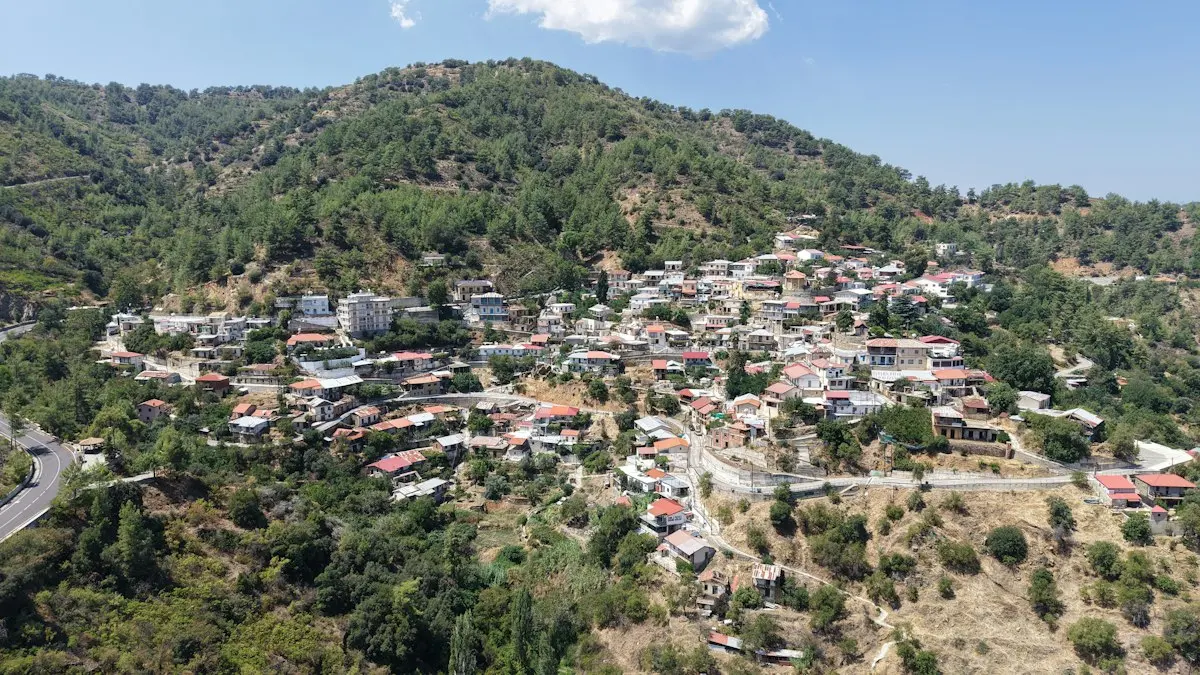 Photo by Athina Vrikki on Unsplash
A car opens up rural villages and scattered sites, but it isn’t the only way to see Cyprus.
“Left-side traffic is manageable if you stay alert at roundabouts and junctions,” Angel says.
“Manageable isn’t the same as automatic,” Devil replies. “The government’s road-safety guide lists standard limits of 100 km/h on motorways, 80 km/h on ordinary interurban and rural roads, and 50 km/h in built-up areas. Signs take precedence. Don’t drive onto rough tracks just because a map draws a line there.”
The small print can decide whether your flexible island drive stays flexible.
When Should You Visit Cyprus?
The best time depends on your idea of a good day. Spring and autumn suit hiking and sightseeing, while summer brings busy beaches and serious heat.
“Spring light on a mountain village is hard to improve,” Angel says. “And Troodos makes a fine counterpoint to the coast.”
“Just don’t book a ski fantasy without checking the snow,” Devil says. Mount Olympus has a small ski area, but winter conditions and operating days vary; check the Cyprus Ski Club before you build a trip around it.
Eat Slowly, Then Go Beyond the Beach
Cyprus’s beach reputation isn’t wrong; it’s just incomplete. For cliffs, sea caves, and a walk, try Cape Greco between Ayia Napa and Protaras.
Paphos makes a strong base for archaeology: its UNESCO-listed site includes the mosaics of Nea Paphos and remains from villas to tombs. The UNESCO description connects the city with the cult of Aphrodite and her legendary birthplace—myth and archaeological record, usefully, aren’t the same thing. West of Limassol, Kourion combines ancient ruins with sea views; check official opening details close to your visit because hours and fees can change.
When choosing between a famous viewpoint and a quieter meal, Hell & Heaven GO offers Angel and Devil’s take on places, including what they’re good for and who might want to skip them. “Let the day end over meze,” Angel suggests. “And order enough time to eat it.” Devil agrees on the food, if not the pace: “A resort menu isn’t the whole island. Try a village table, and don’t mistake grilled halloumi for the entire cuisine.”
Devil's Skip List
“Here are four shortcuts that will make the trip worse,” Devil says. Angel nods: “Especially the one that assumes the island is one simple itinerary.”
- Assuming every entry point is equivalent: entry rules depend on your nationality and route.
- Renting a car without reading the cross-line terms: permission and insurance may not cover the journey you have in mind.
- Planning every trip by map distance: separate bus operators and infrequent rural services can make a short route take careful planning.
- Treating Lara Bay like a fully serviced resort beach: it’s a turtle-nesting conservation area; follow government guidance and posted restrictions.
Verdict
“Cyprus rewards a slower itinerary,” Angel says. “A morning among Paphos’s mosaics, a long lunch, and a cooler evening inland can feel like several holidays sharing one island.”
“Provided you check the border, the bus timetable, and the rental contract,” Devil says. “Paperwork is dull. Discovering it mattered after you’ve crossed is duller.”
The best souvenir may be the moment the coast disappears behind the mountains—and you realize Cyprus was never just a beach.
Ask Angel & Devil
Angel & Devil can help you weigh Cyprus’s famous sights against quieter village stops, choosing what suits your trip and what to skip.
Frequently Asked Questions
Do I Need a Visa to Visit Cyprus?
Visa requirements depend on your nationality and travel documents. Check official Cyprus entry rules before booking, including whether your arrival point is recognized by the Republic.
Can Tourists Cross Between Southern and Northern Cyprus?
Tourists can use designated Green Line checkpoints, subject to current requirements. Carry an accepted travel document and check rental permission and insurance separately if driving.
Do You Need a Car in Cyprus?
Not for every trip: buses connect airports and major towns. A car is more useful for mountain villages and remote sights, where services can be limited.
What Plugs Are Used in Cyprus?
Cyprus uses Type G plugs and a 230 V, 50 Hz electricity supply. Bring an adapter if needed, and check that your device supports the voltage.
Is Cyprus Too Hot in Summer?
Summer can be very hot, especially for exposed sightseeing and hiking. Plan outdoor visits early or late, and consult current Cyprus travel advice for heat precautions.
Get personal recommendations for places and events in Cyprus — based on your mood, time and location.
Try the Hell & Heaven GO AI Assistant →